
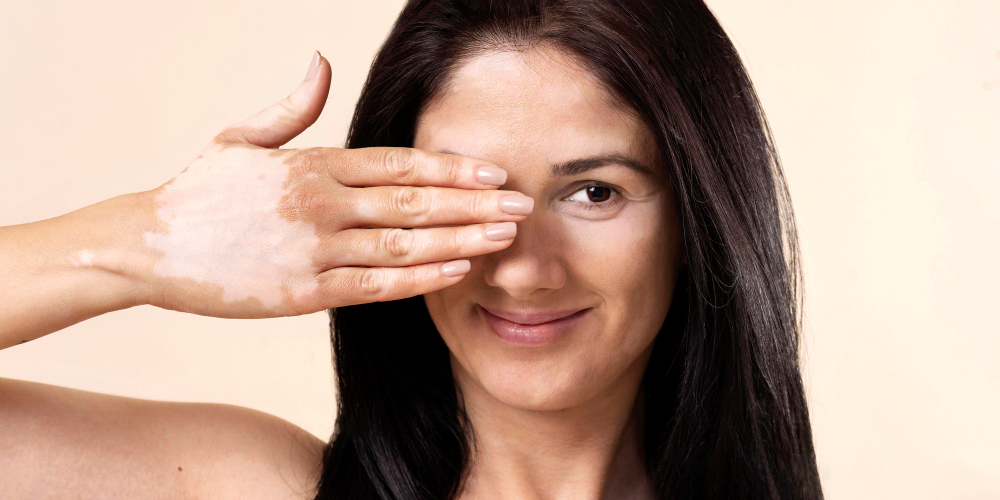
What Is Vitiligo?
Vitiligo is a skin condition that causes patches of skin to lose their color. These patches often appear lighter than the rest of the skin. Because vitiligo can affect anyone, people of all ages and backgrounds may notice these changes. Usually, the patches start small but can grow over time. For many, these changes can be sudden or slow. While vitiligo is not contagious, it can affect a person’s confidence. According to the World Health Organization (WHO), about 1% of the world’s population has vitiligo.
Common Symptoms of Vitiligo
Vitiligo symptoms are easy to spot. However, they can look different for each person. Most often, you may notice:
Sometimes, these patches may feel dry. Yet, most people do not feel pain or itching. Still, the change in appearance can cause emotional stress.
Causes and Risk Factors
Doctors and researchers continue to study the causes of vitiligo. Even so, several factors are linked to this condition. For example, the immune system may attack the cells that give skin its color. These cells are called melanocytes. As a result, the skin loses its pigment. According to the Centers for Disease Control and Prevention (CDC), other possible causes of vitiligo include:
Although anyone can develop vitiligo, it is more common in people with a family history of the condition. Additionally, some autoimmune diseases, like thyroid disorders, may increase risk.
Myths and Misconceptions About Vitiligo
Many myths about vitiligo still exist. Therefore, it is important to know the facts:
Because of these myths, some people may feel isolated. However, understanding the truth can help reduce stigma.
Diagnosis: How Vitiligo Is Identified
Doctors use several steps to diagnose vitiligo. First, they look at your skin and ask about your medical history. Next, they may use a special lamp called a Wood’s lamp to see the patches more clearly. Sometimes, a small skin sample (biopsy) is taken for testing. Blood tests may also check for other autoimmune diseases. Early diagnosis helps find the best vitiligo treatment options for each person.
Available Treatment Options
While there is no cure for vitiligo, many treatment options can help. The right choice depends on the size, location, and number of patches. For example, some common vitiligo treatment options include:
In some cases, doctors may suggest counseling or support groups. Because vitiligo affects appearance, emotional support is important. Treatment results can vary, but new research offers hope for better options in the future.
Living With Vitiligo: Lifestyle Tips and Support
Living with vitiligo can be challenging. However, many people find ways to cope and thrive. For example, you can:
Because support is key, many cities offer local groups or online communities. In some regions, sun exposure is stronger, so extra care is needed to prevent sunburn.
Prevention and Ongoing Research
Currently, there is no sure way to prevent vitiligo. Still, researchers are working to understand why it happens. New studies look at genes, the immune system, and possible triggers. According to recent dermatology journals, future treatments may target the immune response or help regrow pigment cells.
Consult Dr. Basanth Paul for more