
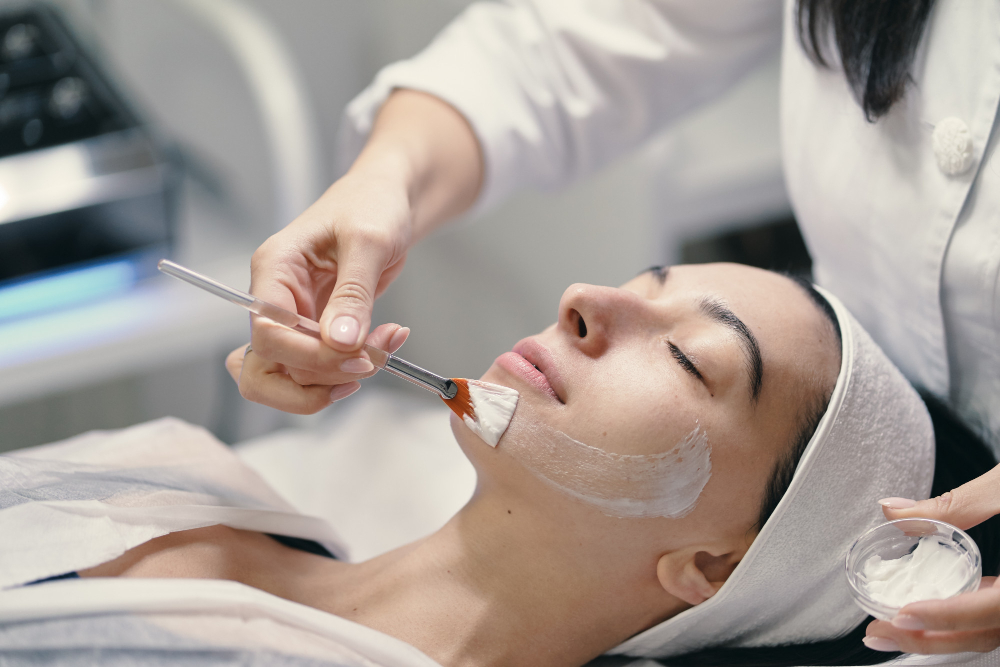
What Are Chemical Peels?
Chemical peels are skin treatments that use special solutions to remove the top layers of skin. As a result, new and smoother skin can grow. Many people choose chemical peels to help with uneven skin tone, rough texture, and signs of aging. Dermatologists often recommend these treatments for people who want to refresh their skin safely. Chemical peels for skin texture are popular because they can help make the skin look brighter and feel softer.
How Chemical Peels Work to Improve Skin Texture and Tone
During a chemical peel, a solution is applied to your skin. This solution causes the outer layer to peel off over several days. Because the old skin sheds, new skin forms in its place. This new skin is usually smoother and more even in color. In addition, chemical peels can help reduce spots, fine lines, and rough patches. Over time, many people see an improvement in uneven skin tone and texture. For example, some notice fewer dark spots and a more even glow.
Types of Chemical Peels
There are different types of chemical peels. Each type works at a different depth and is chosen based on your skin needs. For instance, some peels are gentle, while others go deeper for stronger results. Here are the main types:
Benefits of Chemical Peels for Skin Texture and Tone
Chemical peels offer many benefits for those looking to improve skin texture and tone. For example, they can help with:
Because chemical peels remove old skin, they allow new, healthy skin to appear. As a result, your face can look fresher and more youthful. Many people choose dermatologist-recommended chemical peels for safe and lasting results.
Risks and Side Effects
While chemical peels are usually safe, there are some risks. For instance, you may notice redness, swelling, or peeling after treatment. Sometimes, people experience changes in skin color, especially if they have darker skin. In rare cases, infection or scarring can occur. However, choosing safe chemical peel treatments from a trained professional can lower these risks. Always discuss your health history with your provider before starting a peel.
What to Expect During and After a Chemical Peel
Before your peel, your skin will be cleaned. Then, the chemical solution is applied. You may feel tingling or mild burning, but this usually goes away quickly. After the peel, your skin may look red and feel tight. Peeling or flaking often starts within a few days. During this time, it is important to avoid picking at your skin. Most people recover within one to two weeks, depending on the type of peel. Because your skin will be sensitive, you should use sunscreen and gentle moisturizers.
Who Should Consider Chemical Peels?
Chemical peels are helpful for many people. For example, you may consider a peel if you want to:
However, not everyone is a good candidate. People with certain skin conditions or those who are pregnant should talk to a dermatologist first. Additionally, if you have a history of cold sores or keloids, let your provider know before treatment.
Tips for Safe and Effective Chemical Peel Treatments
To get the best results from chemical peels for skin texture, follow these tips:
Because each person’s skin is different, your provider may adjust the treatment for your needs. Always ask questions if you are unsure about any step.
Prevention and Aftercare for Best Results
After a chemical peel, caring for your skin is very important. For example, you should:
With proper care, you can enjoy smoother skin and a more even tone. Many people see lasting improvements when they follow safe chemical peel treatments and aftercare steps.
Conclusion
If you are thinking about chemical peels for smoother, brighter skin, Dr. Basanth Paul can help. Schedule a visit to discuss safe options and find the best treatment for your needs.