
What Are Acne Scars?
Acne scars are marks left on the skin after acne heals. These scars can look like pits, raised bumps, or dark spots. While acne itself is common, not everyone gets scars. However, some people notice lasting changes in their skin. For many, acne scars can affect confidence. Because of this, many people search for acne scars treatment options to improve their skin’s appearance.
Why Do Acne Scars Happen?
Acne scars form when the skin tries to heal after a pimple or cyst. Sometimes, the skin makes too much or too little tissue. As a result, scars can appear. In addition, picking or squeezing pimples increases the risk of scarring. Genetics also play a role. If your parents had acne scars, you may be more likely to get them too. Even so, not all acne leads to scars.
Types of Acne Scars
There are several types of acne scars. Understanding the type helps in choosing the best acne scar treatments. Common types include:
Because each type is different, treatment options may vary.
Diagnosis of Acne Scars
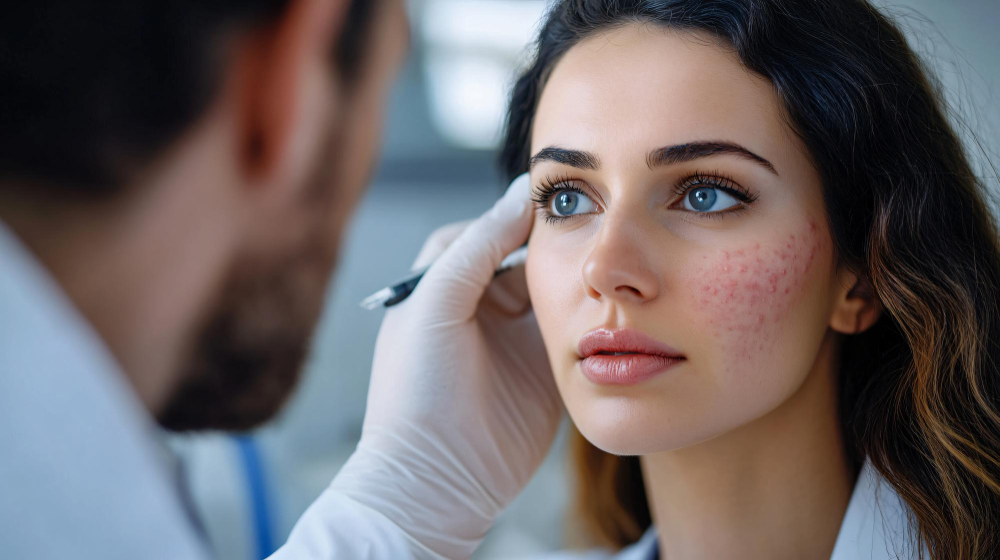
First, a dermatologist will look at your skin. They may ask about your acne history and any treatments you have tried. Sometimes, they use a bright light or magnifying glass to see the scars better. After that, they can suggest the best acne scar treatments for your skin type. In most cases, no special tests are needed.
Treatment Options for Acne Scars
There are many ways to treat acne scars. Some treatments work better for certain scar types. Here are some common acne scars treatment options:
Because everyone’s skin is unique, it is best to ask a dermatologist for advice. For those seeking acne scar treatment in their city, many clinics offer these services. Always check if the clinic uses safe and proven methods.
Lifestyle Tips and Prevention
Even though some scars are hard to avoid, you can lower your risk. Try these tips:
With these steps, you can help prevent new scars and keep your skin healthy.
When to See a Dermatologist
If acne scars bother you or do not fade, it is time to see a dermatologist. For example, if home treatments do not work, or if scars affect your confidence, a doctor can help. Moreover, a dermatologist can suggest the best acne scar treatments for your skin. They can also give you advice on how to treat acne scars safely. Early treatment often leads to better results.
In summary, acne scars are common but treatable. Many options are available, from creams to laser therapy. For the best results, consult a dermatologist Dr. Basanth Paul for personalized acne scar treatment advice.