
What Is Seborrheic Dermatitis?
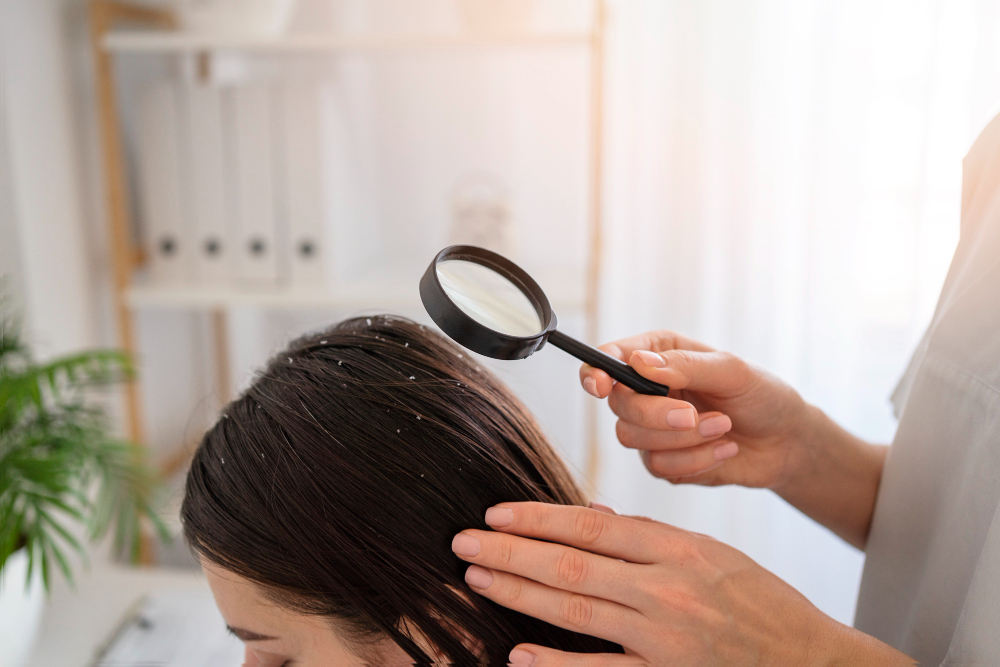
Seborrheic dermatitis is a common scalp skin condition. It causes oily, flaky patches on the scalp. Often, these patches look red and can feel itchy. For many people, seborrheic dermatitis leads to embarrassment or discomfort. This condition can also affect other oily areas, such as the face, eyebrows, or chest. While it is not contagious, it can be long-lasting and sometimes returns after treatment. According to the World Health Organization, seborrheic dermatitis is found worldwide and affects people of all ages.
Common Symptoms of Seborrheic Dermatitis
Many people notice symptoms on their scalp first. However, other areas can be affected as well. For example, the face, ears, and chest may show signs. Symptoms can come and go, but some triggers make them worse.
Sometimes, seborrheic dermatitis can look like dandruff. Yet, the flakes are often thicker and more oily. In babies, this condition is called cradle cap.
Causes and Risk Factors
Although the exact cause is not fully understood, several factors play a role. For instance, a type of yeast called Malassezia lives on the skin. This yeast can grow more in oily areas, leading to irritation. The Centers for Disease Control and Prevention notes that genetics and immune system changes may also contribute.
Because climate can affect symptoms, people in humid or cold areas may notice flare-ups more often.
How Seborrheic Dermatitis Is Diagnosed
Usually, doctors diagnose seborrheic dermatitis by looking at the skin. They check for oily, flaky patches and redness. Sometimes, a doctor may gently scrape a small area to rule out other scalp skin conditions. Rarely, a skin biopsy is needed. Most of the time, no special tests are required. If symptoms are severe or do not improve, a dermatologist may help with further testing.
Treatment Options for Seborrheic Dermatitis
Many treatments can help manage seborrheic dermatitis. While the condition may not go away completely, symptoms can be controlled. For mild cases, over-the-counter shampoos and creams often work well. For example, medicated shampoos with zinc, ketoconazole, or selenium sulfide can reduce flakes and oiliness.
Because some treatments can irritate the skin, it is important to follow directions. If symptoms continue, a healthcare provider may suggest other options.
Lifestyle Tips and Home Care
Simple changes at home can help control symptoms. For instance, washing the scalp often with gentle shampoo removes excess oil. However, avoid harsh soaps or hot water, as these can make irritation worse. Many people find that regular care helps prevent flare-ups.
Additionally, some people use natural remedies like tea tree oil. Yet, it is best to check with a doctor before trying new products.
Prevention Strategies
While seborrheic dermatitis cannot always be prevented, certain steps may lower the risk of flare-ups. For example, keeping the scalp clean and avoiding oily hair products can help. In humid or cold climates, extra care may be needed.
Because seborrheic dermatitis is a chronic condition, ongoing care is important. With the right steps, most people can manage symptoms and enjoy a healthier scalp, consult Dr. Basanth Paul.